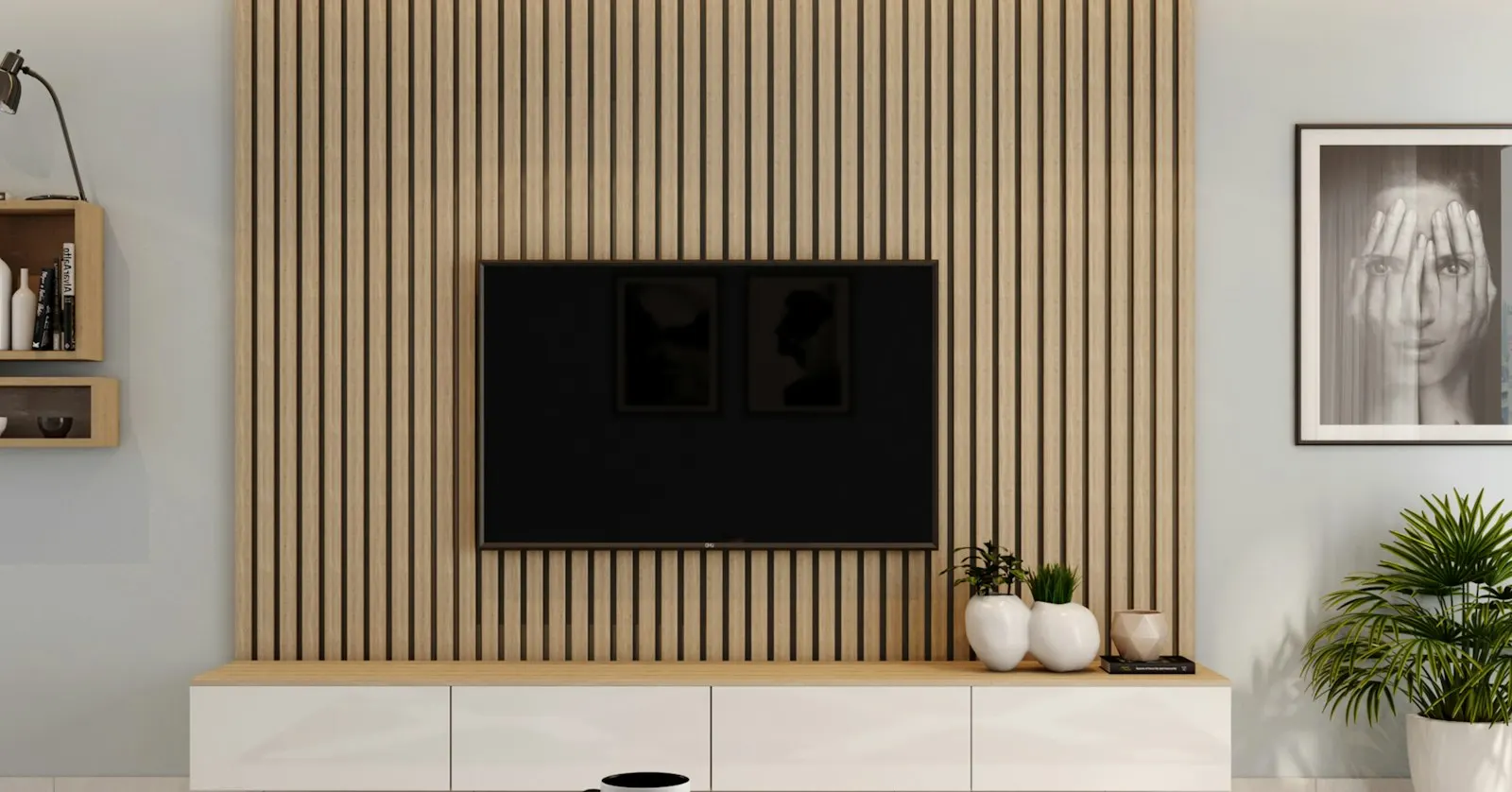
Most new televisions arrive with a flimsy desk stand and a manual that says “wall mount recommended”. Getting a screen onto the wall looks simple on a video, yet the job brings together several things that are easy to get wrong: finding a solid fixing point, choosing a bracket rated for the weight, setting the height so nobody gets a sore neck, and hiding the cables without creating a fire or safety problem. We mount TVs across Pakenham, Officer, Beaconsfield and the towns east along the Princes Freeway, and we treat every screen as a heavy object hanging over people’s heads, because that is exactly what it is.
Why people in Pakenham want their TVs on the wall
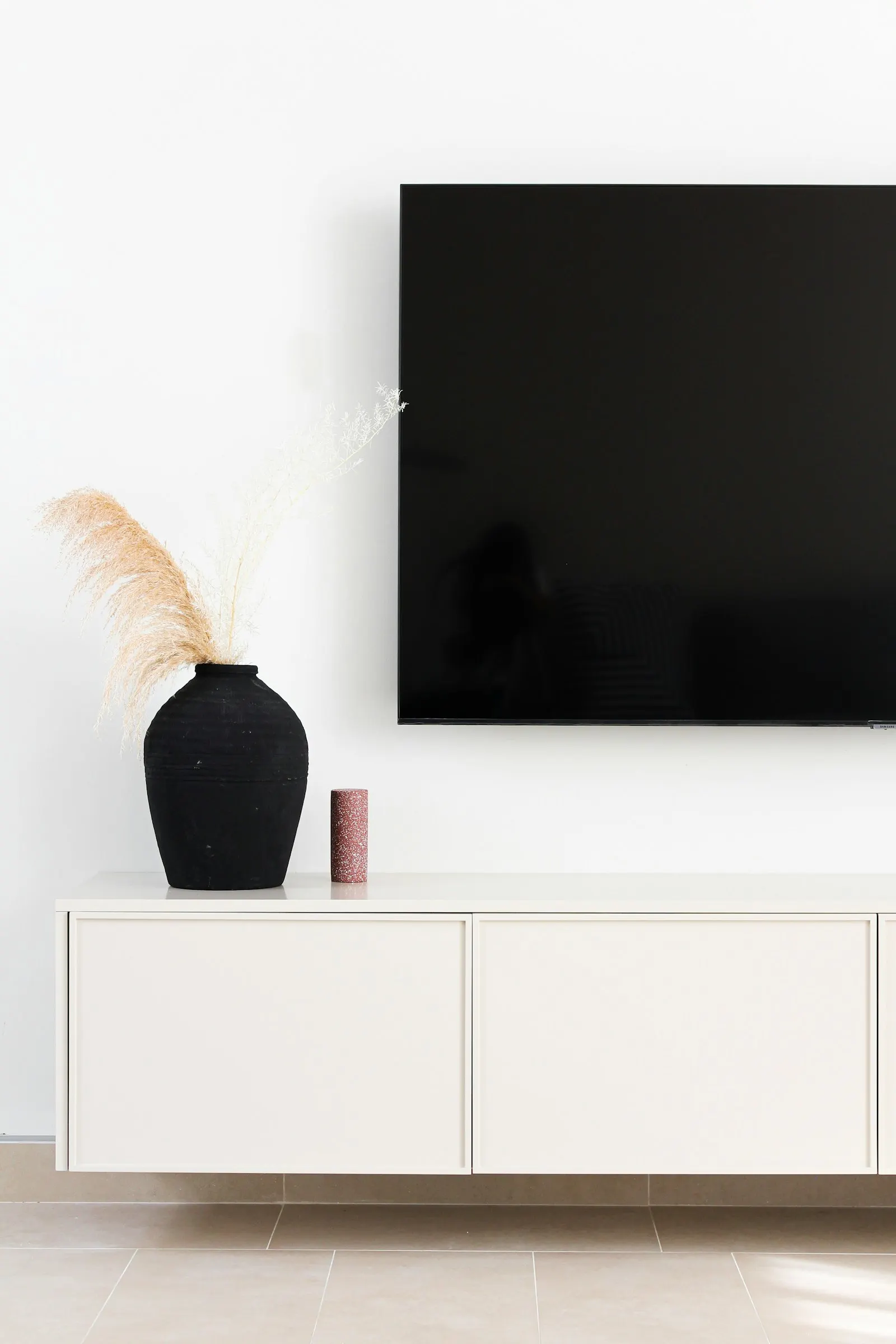
Many homes in the newer Pakenham and Officer estates have open-plan living areas, where the lounge, kitchen and meals space share one big room. A wall-mounted TV frees up floor space, keeps the screen away from toddlers and pets, and lets you place a slim cabinet or nothing at all underneath. In older homes around the Pakenham township, Beaconsfield and Garfield, mounting a screen is often the easiest way to make a modest lounge room feel less crowded. In rental properties, owners sometimes allow a bracket if it is installed neatly and the holes can be patched at the end of the lease, which is something we can advise on.
The wall comes first
Before we talk about brackets, we look at what the screen is going onto. The local housing stock gives us a real mix.
- Plasterboard over timber studs. Common in homes from the 1970s through to the early 2000s. Studs are usually at 450 or 600 millimetre centres, and we fix the bracket into them, not just the board.
- Plasterboard over steel studs. Some newer builds and extensions use light-gauge steel framing. These need different fixings, and sometimes a backing board, to carry a large screen safely.
- Brick and block. Feature walls, older brick veneers with internal brick, and garages. We drill with the right masonry bits and use anchors suited to the brick type, avoiding mortar joints where we can.
- Fibre cement and timber linings. Found in extensions, sheds, granny flats and some rural homes out towards Tynong and Bunyip.
- Double-layer or acoustic board. Occasionally seen in media rooms of newer houses. Longer fixings are needed to reach the frame.
We use a stud finder, a fine test drill where needed, and our knowledge of how local builders frame walls to locate solid timber or masonry. If there is no stud where you want the screen centred, we will explain the options, such as a bracket with a wide wall plate that spans two studs, or a timber backing panel. We will not hang a large screen on plasterboard anchors alone.
Choosing the right bracket
The bracket matters as much as the wall. We can supply a suitable bracket or install one you already own, provided it is rated for your TV and matches its mounting pattern.
Fixed or low-profile brackets
These hold the screen close to the wall. They are the slimmest, cleanest look and are ideal when the TV sits straight in front of the couch at a comfortable height.
Tilting brackets
A tilting bracket lets the screen angle downwards a few degrees. It helps when the TV must sit higher than ideal, such as above a gas log fire or a tall cabinet, and it can cut glare from big windows facing north or west.
Full-motion or articulating brackets
These have an arm that lets the TV pull out and swivel. They suit corner placements, open-plan rooms where you watch from the kitchen and the couch, and bedrooms where you want to angle the screen. Because the arm creates leverage on the fixings, a full-motion bracket needs the most solid mounting of all.
Ceiling and specialty mounts
For alfresco areas, gyms, waiting rooms and small shops we can install ceiling poles, outdoor-rated brackets and monitor arms, as long as the structure above can carry the load.
Getting the height right
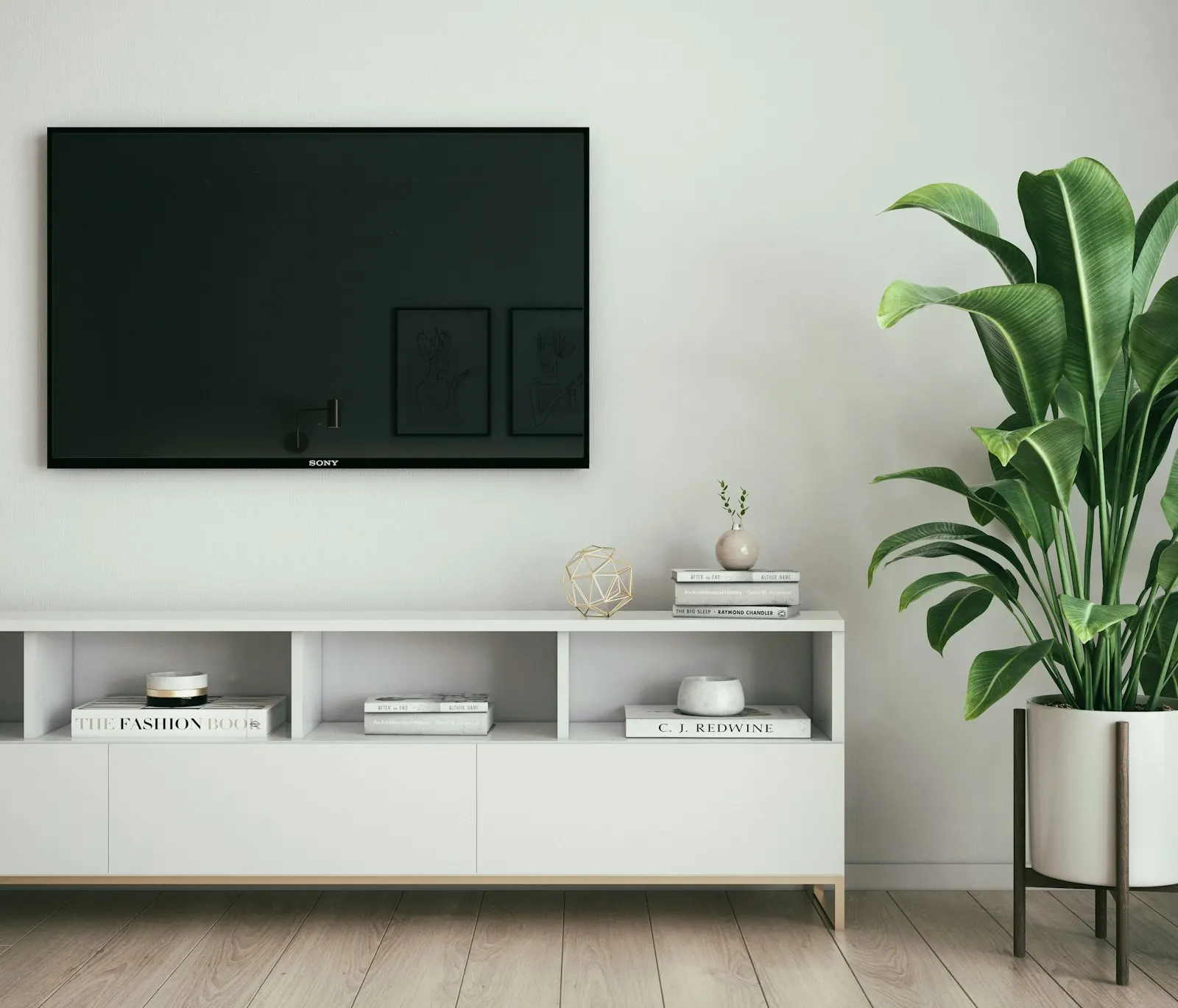
The most common complaint about wall-mounted TVs is that they are too high. A good rule of thumb is that the middle of the screen should sit roughly at seated eye level, which in most lounges is lower than people expect. We will sit on your couch, look at sightlines from the kitchen or dining table, and mark the position with tape before we drill anything. If you have a fireplace, a window or a doorway to work around, we will explain the trade-offs so you can make the call.
Cables, power and neat finishes
A screen floating on the wall with a bundle of cords dangling below it does not look finished. There are a few ways to tidy cables:
- Surface cable covers. Paintable plastic channels that run from the TV down to the cabinet. Quick, safe and fully reversible, which is good for rentals.
- In-wall cable pass-through kits. Low-voltage wall plates that let HDMI, network and antenna cables pass behind the plasterboard. We fit these where the cavity allows.
- Shelf-and-channel combinations. A floating shelf below the screen for a set-top box or game console, with cables hidden behind it.
We do not do electrical work. If you want a new power point behind the TV, that must be installed by a licensed electrician. We are happy to work around an electrician’s timing, or you can arrange that first and we will mount the screen once the point is in. Running a TV’s own power lead inside the wall is not compliant, and we will not do it.
Soundbars, shelves and accessories
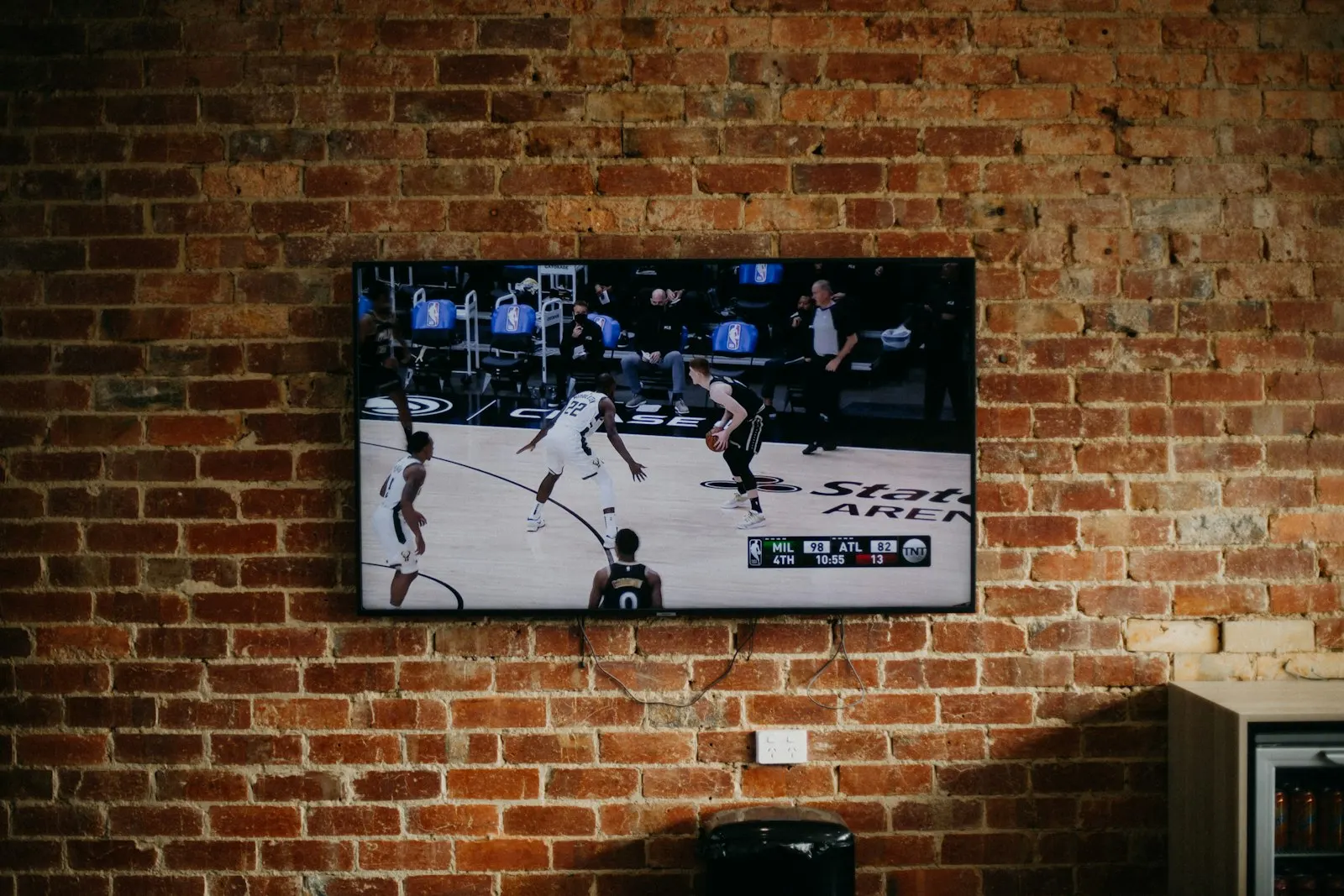
While we are there, it usually makes sense to deal with the rest of the setup. We can mount soundbars on their own brackets or on an attachment to the TV mount, fit floating shelves for streaming boxes and consoles, hang small speakers, and secure a TV cabinet to the wall so it cannot tip over. Anchoring furniture is particularly important in homes with young children, and it takes very little time once the drill is out.
Outdoor and alfresco televisions
Covered outdoor areas are popular across Pakenham, Officer and the hills around Beaconsfield Upper and Pakenham Upper. Mounting a screen outside brings extra considerations: the bracket and fixings should be rated for outdoor use, the screen should be protected from rain and direct sun, and the power supply must be weatherproof and installed by an electrician. We will look at the roof cover and the wall material and tell you honestly whether the spot you have in mind is suitable.
Commercial screens
We also mount screens for small businesses, clinics, gyms, offices and shops in Pakenham’s commercial areas and the light industrial streets around the freeway. Common jobs include menu boards, waiting-room screens, meeting-room displays and monitor arms on desks. We can work out of hours where it reduces disruption.
Our mounting process
1. Confirm the details. You tell us the TV size and model, the room and the wall, and whether you have a bracket. Photos help.
2. Plan the position. On the day, we check sightlines, mark the height and confirm with you before drilling.
3. Locate the structure. We find studs or test masonry, check for hidden services as far as practical, and choose the right fixings.
4. Fit the wall plate. We level it carefully, because a few millimetres out shows up clearly on a wide screen.
5. Attach and hang. The arms go onto the TV, then the TV goes onto the plate, with two people for larger screens.
6. Tidy and test. We manage cables, check tilt or swivel movement, confirm the safety locks are engaged and clean up dust.
Things to have ready
- The TV’s model number, so we can check weight and mounting pattern
- The bracket, if you have bought one, with all its parts
- Any cable covers, wall plates or shelves you want used
- A clear path to the wall and somewhere safe to lay the screen face down
- Your power point already in place, if you have arranged an electrician
Safety and honesty
A falling television can seriously injure a child. We use fixings rated well above the weight they carry, we never rely solely on plasterboard anchors for a TV, and we will tell you if a wall or position is not suitable. If we open up a wall and find something unexpected, such as a pipe or cable in an awkward place, we stop and talk to you before going further.
Removing and relocating brackets
Moving house, renovating or upgrading to a bigger screen often means an old bracket has to come off. We can remove brackets, patch and sand the holes ready for painting, and move the screen to a better spot. For tenants finishing a lease, we can remove a bracket and repair the wall so it is ready for the final inspection. See our plaster and wall patching service for more on that side of the job.
TV mounting across our service area
We mount TVs in Pakenham, Officer, Beaconsfield, Pakenham Upper, Nar Nar Goon, Tynong, Garfield, Bunyip and the neighbouring areas. It is often grouped with other jobs, such as picture and shelf hanging or flat-pack assembly for a new entertainment unit. To book, request a free quote and tell us about your TV, wall and room.
Frequently asked questions
Can you mount a TV on plasterboard?
Yes, provided we fix the bracket into the timber or steel framing behind the board, or into a backing panel. We do not hang televisions on plasterboard anchors alone.
Do you supply the bracket?
We can supply a bracket that suits your TV and wall, or install one you have bought, as long as it is rated for the screen’s weight and size.
Can you hide the cables inside the wall?
Low-voltage cables such as HDMI and antenna leads can usually pass through an in-wall kit. Power must come from a power point installed by a licensed electrician; we do not run power leads inside walls.
How high should my TV be?
For most lounges the centre of the screen should sit near seated eye level. We mark it with tape first so you can see it before anything is drilled.
Can you mount a TV above a fireplace?
Often, yes, but heat, height and the chimney structure need checking. A tilting bracket usually helps with the viewing angle.
Will you mount a TV in a rental?
If the owner or agent has given written approval, yes. We can also remove brackets and patch holes at the end of a lease.
Get a free quote
Send us your list of jobs, your suburb and a few photos. We will reply with a clear written scope and a free, no-obligation quote.
Get a free quote