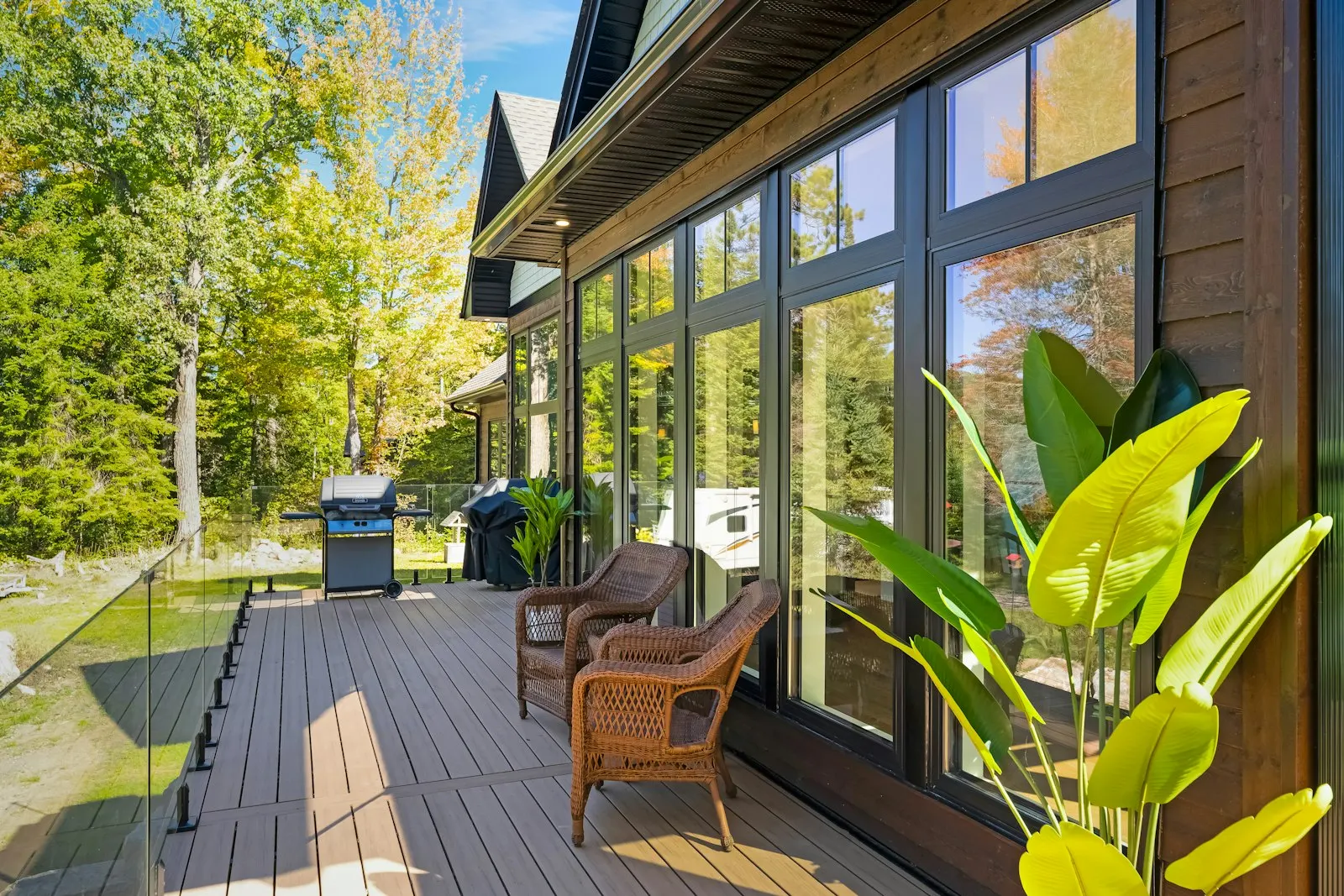
Outdoor surfaces collect dirt, mould, moss and stains quickly, especially on the shaded southern sides of houses and on the damp clay soils common around Pakenham and Officer. A good clean can make a driveway look years younger, make paths less slippery and get a deck ready for oiling. We pressure-wash driveways, paths, patios, decks and fences across Pakenham, Officer, Beaconsfield and the towns out to Bunyip.
Surfaces we clean
- Concrete driveways and paths
- Exposed aggregate concrete
- Brick and concrete pavers
- Patios and alfresco areas
- Timber decks, before staining or oiling
- Composite decking (with suitable pressure)
- Timber and Colorbond fences
- Outdoor furniture
- Wheelie bins
- Retaining walls and garden edges
- Pool surrounds (not pool interiors)
The right pressure for the surface
High pressure isn’t always better. Too much pressure, or a nozzle held too close, can:
- Etch concrete and leave stripes
- Lift sand from paver joints
- Furr and gouge timber
- Damage the coating on Colorbond fences
- Force water under door sills or into walls
We adjust pressure, nozzle and technique to suit each surface. Surface cleaners give even results on large flat areas like driveways without the striping that a wand alone can leave.
Decks before oiling
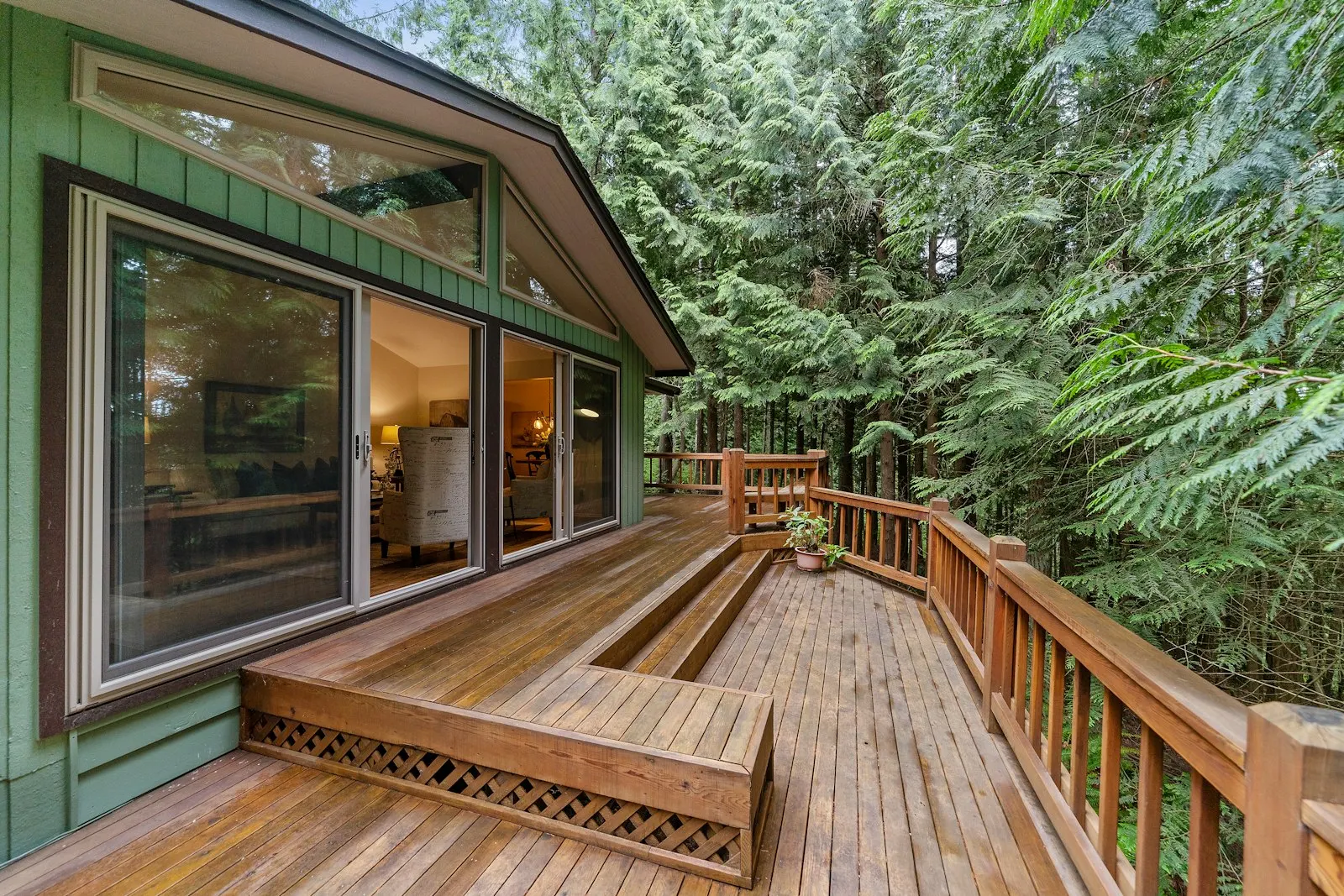
Timber decks need a clean, dry surface for oil or stain to soak in. We wash the deck with a gentle approach, use a deck cleaner where appropriate to lift grey weathering, then let the timber dry fully before you or we apply a coating. See deck and pergola repairs for repairs before the clean.
Mould, moss and slippery paths
Shaded paths and decks can grow a slippery film of algae and moss, especially in the wetter months. Cleaning reduces the slip risk, and a follow-up treatment can slow regrowth. For homes in the hills around Beaconsfield Upper and Pakenham Upper, where tall trees shade the house, this is a regular job.
Water and drains
Washing water often carries dirt, oil and detergents. In Victoria, only clean rainwater should go into stormwater drains. We minimise chemical use, choose biodegradable products where we need them, and avoid washing oil and chemicals into the stormwater system. Large oil stains may need a specific treatment and may not fully disappear.
Preparing for sale or events
A clean driveway and entry make a strong first impression for buyers, guests or tenants. Pressure washing is often combined with gutter cleaning, fence repairs and touch-up painting before a sale. See odd jobs and gutter cleaning.
Water restrictions
Victoria has permanent water use rules. Using a high-pressure cleaner on hard surfaces is generally allowed, but rules can change in drought. Check with South East Water or your water retailer for current rules.
Pressure washing across our service area
We pressure-wash in Pakenham, Pakenham South, Officer, Officer South, Beaconsfield, Beaconsfield Upper, Pakenham Upper, Nar Nar Goon, Tynong, Garfield and Bunyip. Request a free quote with photos and rough dimensions.
Concrete types around Pakenham and how we treat them
Driveways across our area were poured in very different eras and styles, and each one cleans differently.
Plain broom-finished concrete is common on older homes in central Pakenham and Beaconsfield. It is forgiving and responds well to a rotary surface cleaner at moderate pressure. The main risk is “zebra striping” from a wand held at varying distances, which is why we run the surface cleaner over open areas and only use the wand for edges and corners.
Exposed aggregate, popular in the newer estates around Officer, Cardinia Road and Pakenham East, has small stones set into the surface. Too much pressure, or a narrow nozzle held close, can loosen stones or strip the sealer. We use lower pressure and a wider spray, and we’ll tell you if the existing sealer has worn through, because resealing after a clean can bring back the colour and protect the surface for longer.
Coloured and stencilled concrete has a decorative coating that is easy to damage. We test a small hidden area first and keep pressure low. Peeling coatings are a sign the surface needs recoating, which is a specialist job.
Pavers come in clay brick and concrete. The challenge with pavers is the jointing sand. A harsh wash blows it out and leaves gaps that weeds love. We angle the spray across the joints rather than into them, and we can re-sand the joints afterwards if needed.
Timber, composite and fences in more detail
Timber is soft compared to concrete. A high-pressure jet can raise the grain into a furry surface that looks worse than before and soaks up oil unevenly. For decks we often prefer a cleaner applied with a brush, followed by a low-pressure rinse. Hardwoods such as merbau and spotted gum bleed tannins when first wet; those orange stains on nearby paving can usually be cleaned off, but it helps to know about them in advance.
Composite boards from various manufacturers each have their own cleaning recommendations, often specifying maximum pressure and minimum distance. We follow those so your warranty isn’t affected.
Colorbond and other pre-painted steel fences are best cleaned with low pressure and a soft brush. A strong jet can damage the paint and lead to corrosion along the edges.
Timber paling fences, common on the boundaries of Pakenham homes, grey off quickly. A gentle wash before staining helps new stain soak in evenly. Old, brittle palings can split under pressure, so we take care and point out any that should be replaced. See fence repairs and gates.
Getting ready for a pressure-washing visit
A little preparation helps the job run smoothly:
- Move cars, bins, pot plants and outdoor furniture off the area
- Close windows and doors near the work area
- Let us know where the outdoor taps are and whether the water pressure is good
- Tell us about any cracked areas, loose pavers or drainage problems
- Keep pets inside while we work
We bring our own hoses and equipment. If your property is on tank water, as many are around Pakenham Upper, Garfield and Bunyip, tell us when you request a quote, because pressure washing can use a fair amount of water and we may need to plan around your tank level.
After the clean
Freshly cleaned surfaces benefit from protection:
- Concrete sealers reduce staining and make future cleaning easier.
- Deck oils and stains protect timber from UV and moisture.
- Mould inhibitors slow regrowth on shady paths.
Many people choose to seal or oil themselves after we’ve cleaned. Others ask us to arrange it. Either way, a dry surface is essential, which usually means waiting at least a day or two in fine weather.
How often to clean
In shaded, damp spots, such as the south side of a house or under tall gums in the hills, mould and moss can return within a year. Sunnier driveways may only need attention every couple of years. A light clean more often is easier on surfaces than a heavy clean after years of build-up.
Safety around the home
Pressure washers can cut skin and damage eyes, so we keep the area clear and ask people and pets to stay away while we work. We don’t use pressure washers on roofs, as walking on roofs and washing tiles brings risks of breakage and falls; roof cleaning is a specialist service. We also avoid spraying near electrical fittings, meter boxes and air conditioning units.
Troubleshooting common stains
Different marks need different approaches, and not all of them come out with water alone.
- Black mould and algae. Usually lifts with a suitable cleaner and a wash. Shaded areas will need a repeat treatment over time.
- Moss in joints. Pressure lifts it, but roots in the sand can regrow. Re-sanding joints helps.
- Oil and grease. A degreaser and agitation before washing improves results. Old stains soaked deep into concrete may only lighten.
- Rust marks. Often from metal furniture, fertiliser or bore water. These need a specific rust remover rather than pressure.
- Tannin stains. From leaves and new hardwood. A suitable cleaner usually removes them.
- Efflorescence. The white powdery bloom on brick and concrete comes from salts in the material. It often brushes off dry and may need an acid-based cleaner, used with care.
- Tyre marks. Usually improve with a degreaser, though some remain.
- Paint spills. May need a stripper or careful scraping first.
We’ll tell you before we start which stains are likely to come out fully and which may only fade.
Questions to ask before booking any pressure cleaner
Whoever you choose, it’s worth asking:
1. What pressure and equipment will you use on my surface?
2. Do you use a surface cleaner for flat areas?
3. What chemicals will you use, and where will the runoff go?
4. Will you protect plants, walls and windows?
5. What happens if a surface is damaged?
6. Do you have public liability insurance?
Clear answers to these questions are a good sign that the job will be done carefully.
Combining jobs on the same visit
Because the equipment is already set up, pressure washing combines well with other outdoor work. Common pairings include cleaning gutters first so debris doesn’t land on freshly washed paths, repairing loose deck boards before the wash, and replacing broken fence palings after it. Before a property goes to market, a single visit covering the driveway, entry path, front fence and letterbox can make a strong first impression.
Will pressure washing damage my driveway?
Not when the pressure and technique suit the surface. We use surface cleaners for even results.
Can you remove oil stains?
We can lighten them, but old, deep stains may not disappear completely.
Can you clean my deck before I oil it?
Yes. We wash it gently and leave it to dry before coating.
Do you use chemicals?
Only where needed, and we choose products that are suitable for the surface and the environment.
Can you clean a Colorbond fence?
Yes, with lower pressure to protect the coating.
Can you pressure-wash on tank water?
Yes, but it uses a fair amount of water. Tell us your tank level when you request a quote so we can plan.
Can you reseal my exposed aggregate driveway?
We can clean it and advise whether it needs resealing. Sealing can be arranged after the surface is dry.
Do you clean roofs?
No. Roof cleaning brings risks of breakage and falls and is a specialist service.
Will pressure washing remove weeds between pavers?
It can lift weeds and moss, but they’ll return unless the joints are re-sanded.
Get a free quote
Send us your list of jobs, your suburb and a few photos. We will reply with a clear written scope and a free, no-obligation quote.
Get a free quote