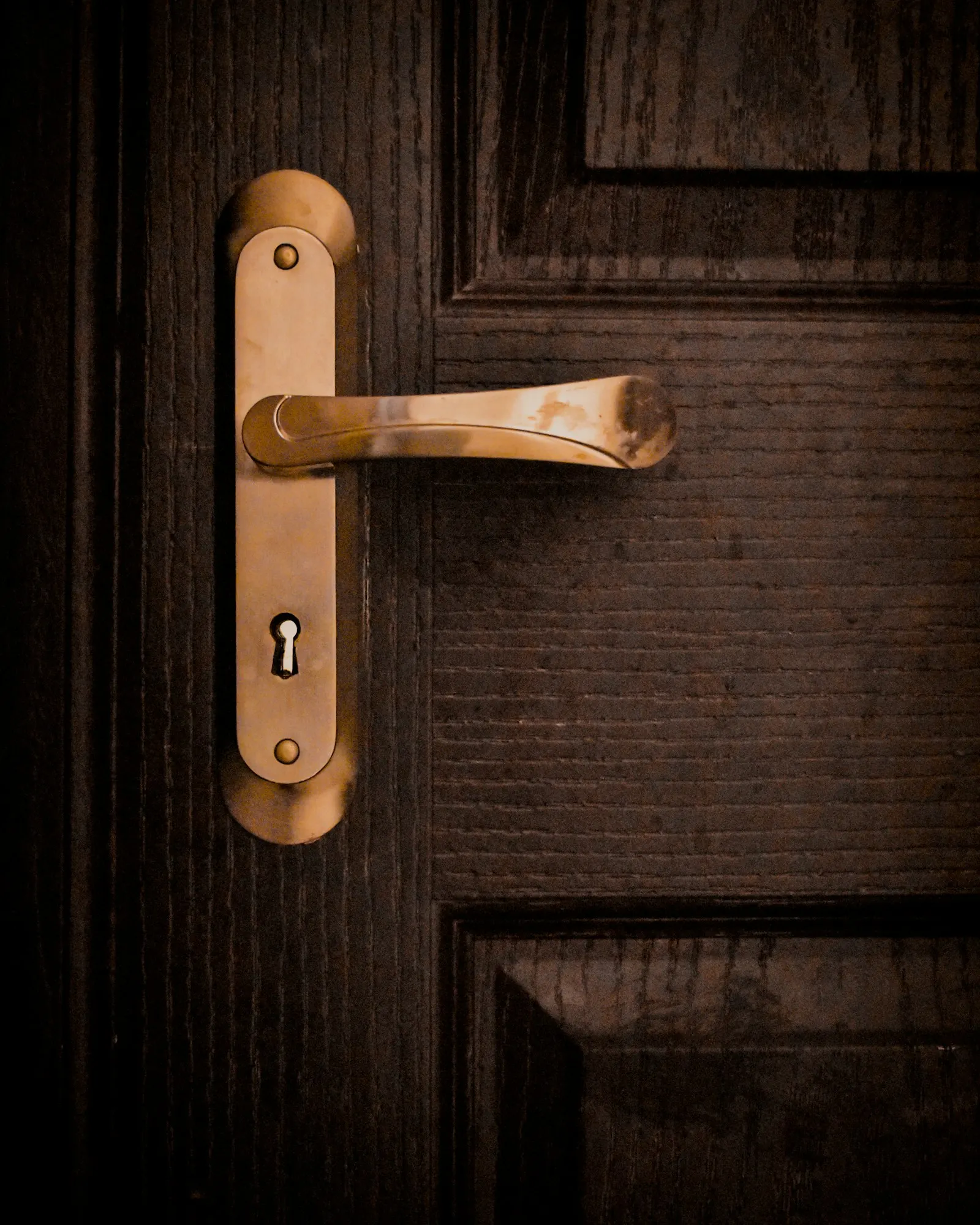
Doors get used dozens of times a day, and they let you know when something is wrong. They stick in winter, swing open on their own, refuse to latch, drag on new carpet or rattle every time the wind picks up. Some problems are small and quick to sort out, while others point to a hinge that has worked loose, a frame that has moved or a door that has swollen after years of steam from a bathroom. We repair, adjust and replace internal and external doors across Pakenham, Officer, Beaconsfield and the surrounding towns, and we can usually deal with several doors in one visit.
Common door problems we fix
- Doors that stick, bind or rub against the frame
- Doors that have dropped and scrape the floor
- Latches that will not catch, or strike plates in the wrong place
- Loose, squeaking or worn hinges
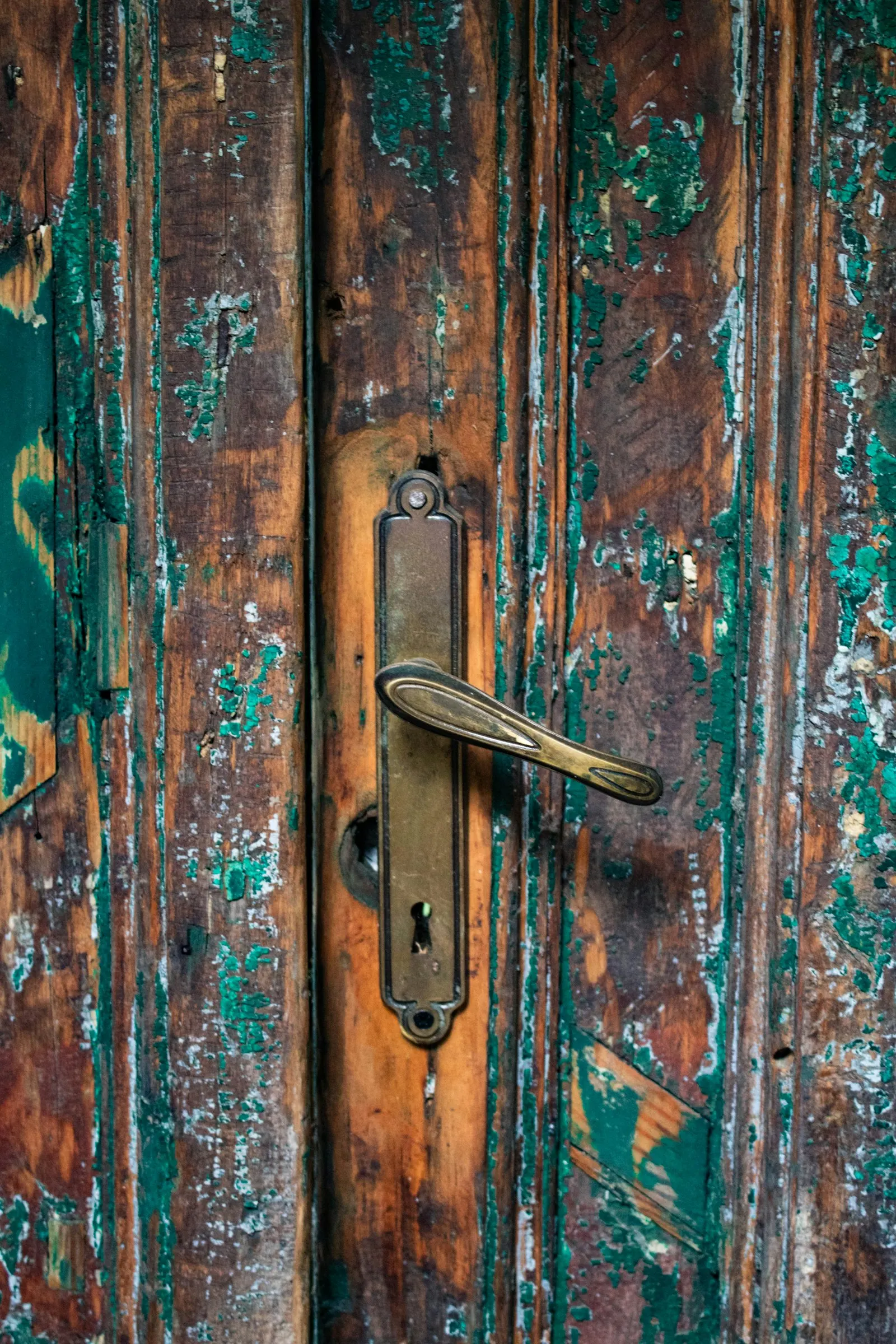
- Handles and levers that are loose, broken or simply dated
- Doors that swing open or shut on their own
- Damaged door skins, holes in hollow-core doors and split edges
- Missing or broken door stops causing holes in plaster
- Sliding doors that jump the track or are hard to push
- Cavity sliding doors that stick, drop or come off their rollers
- Wardrobe doors that are misaligned or off their tracks
- Gaps under external doors letting in draughts, dust and insects
Why doors stop working properly
Understanding the cause helps us fix a door properly instead of just shaving it down and hoping.
Seasonal movement
Timber absorbs moisture in cooler, wetter months and dries out in summer. A door that fits perfectly in February can bind by June, particularly on the south side of a house or in a bathroom. Pakenham’s winters are cool and damp and the hills around Pakenham Upper and Beaconsfield Upper are wetter again, so seasonal swelling is common.
Loose hinges and stripped screws
The top hinge carries most of a door’s weight. Over time its screws can loosen or strip, the door drops, and the top corner on the latch side starts rubbing. Often longer screws reaching into the frame behind the jamb fix the problem completely.
Settling and movement in the house
Houses move slightly as they settle, especially on the reactive clay soils found in parts of the region. New homes in Officer and Pakenham’s growth areas commonly show a little movement in their first few years. That can throw door frames slightly out of square.
New flooring
Laying new carpet, timber or hybrid floors often raises the floor height. Doors that used to clear the old floor then drag. Trimming the bottom of the door is usually the answer.
How we repair a door
1. Diagnose. We check the gaps around the door, the hinge screws, the latch and the frame to see what is really happening.
2. Tighten and pack. Many problems are solved by tightening hinges, replacing stripped screws with longer ones, or adding a thin packer behind a hinge leaf to change the door’s angle.
3. Plane or trim. If the door itself needs material removed, we plane only what is needed and then seal the bare timber, especially the bottom and top edges, so it does not swell again.
4. Adjust the latch. Moving or filing the strike plate often makes a door close cleanly again.
5. Test. We open and close the door repeatedly and check it latches without being pushed.
Hanging new internal doors
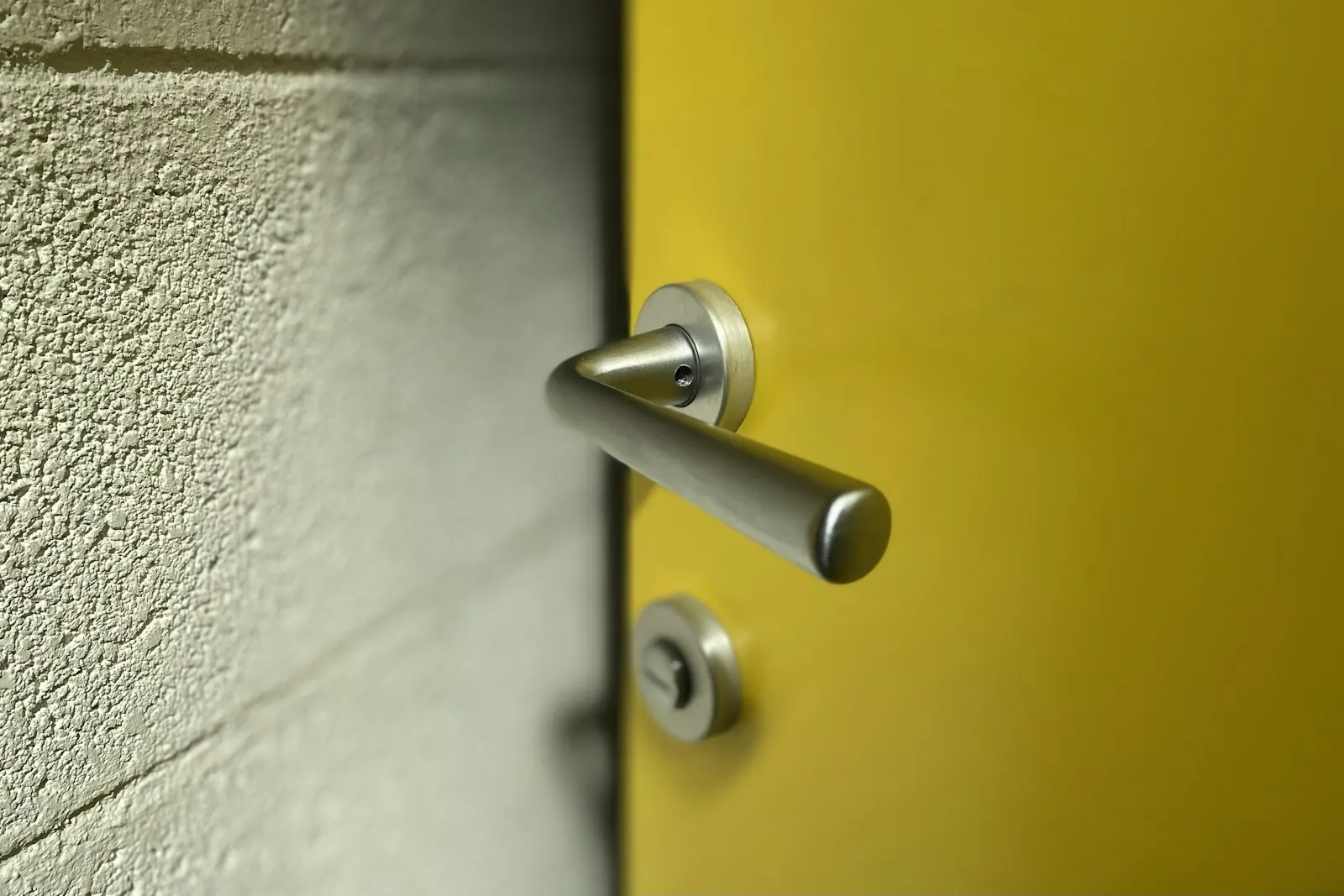
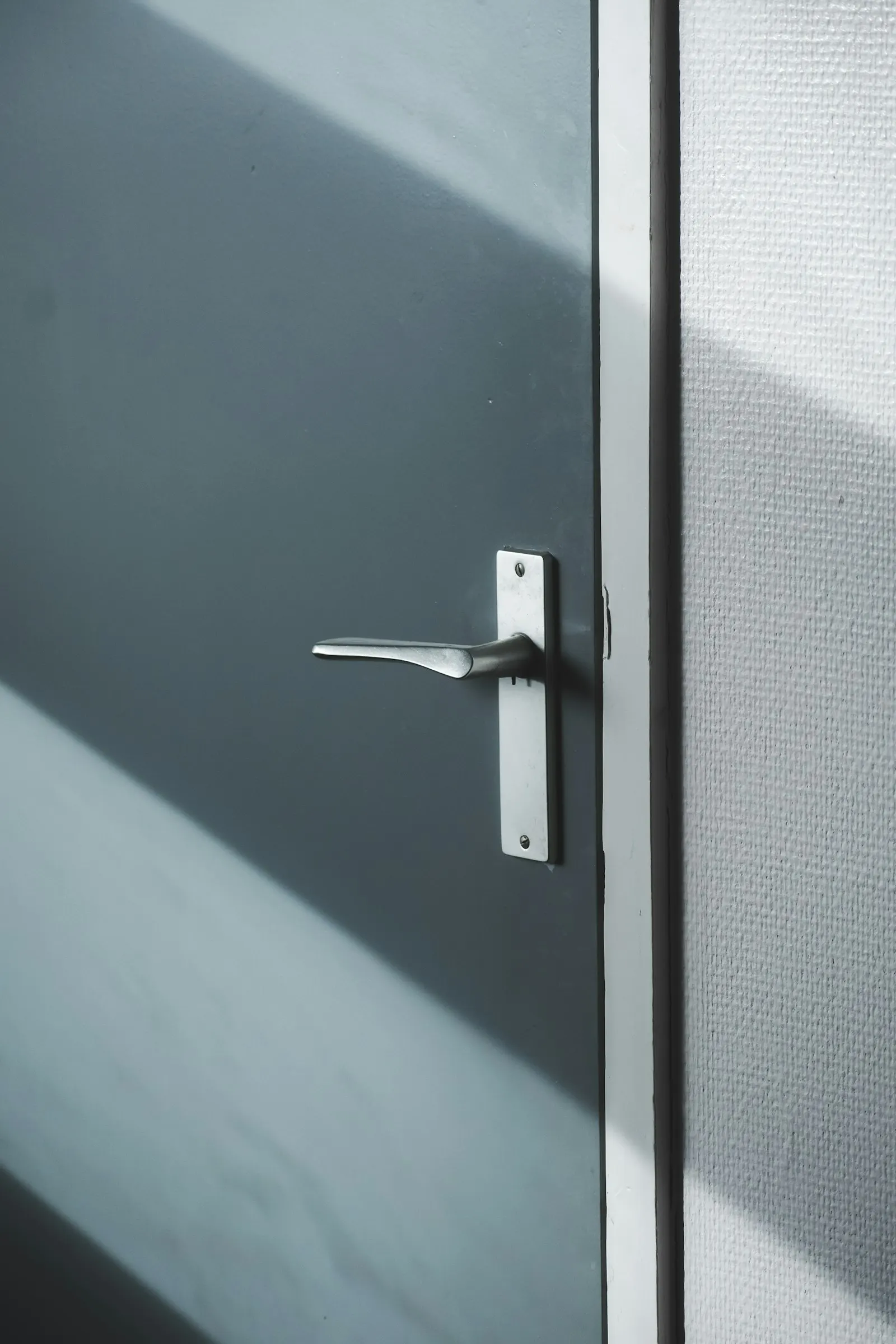
Sometimes a door is beyond repair, or you want to update the look of the house. We hang new internal doors into existing frames. That involves:
- Measuring the opening and checking it for square
- Supplying or collecting a door of the right size and style, such as flush, panel or glazed
- Trimming the door to suit the frame and floor
- Cutting in hinges and the latch, then fitting handles
- Sealing all edges before painting, which protects the door from moisture
- Fitting door stops
We can also paint the new door or match it to existing doors, or leave it ready for your painter.
External doors and security
Front doors, back doors and laundry doors take more abuse from weather and use. We can:
- Adjust or replace hinges on heavy front doors
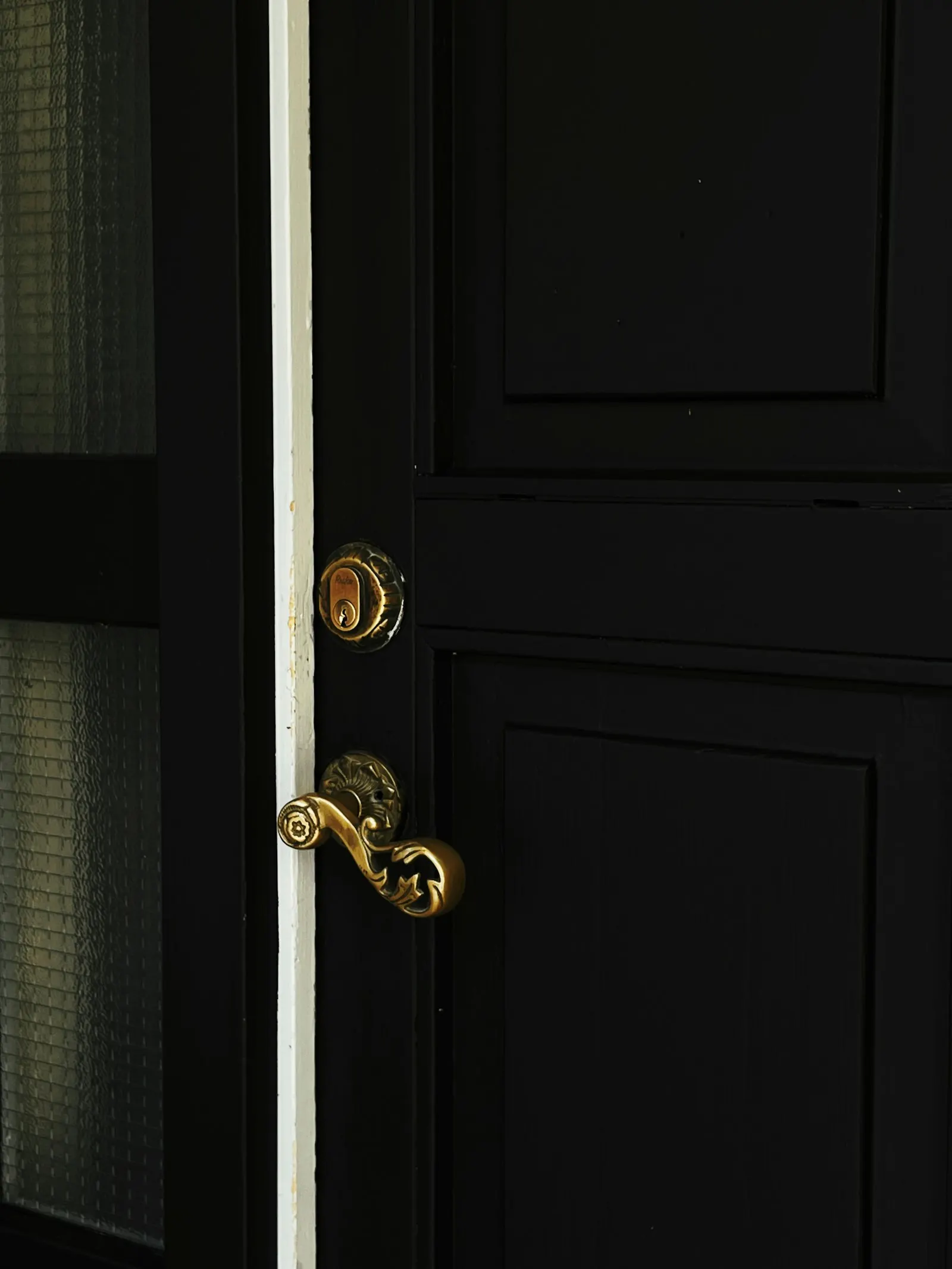
- Fit new handles, deadlocks and lever sets supplied by you or sourced to suit
- Install door seals, weather strips and draught excluders
- Replace damaged thresholds and sills where practical
- Fit security screen doors, provided the frame is in good condition
- Repair or adjust door closers on screen doors
We are not locksmiths, so we do not re-key locks or deal with master key systems, but we fit standard residential locksets and handles.
Sliding and cavity sliding doors
Glass sliding doors to decks and alfresco areas can become stiff when tracks fill with grit and leaves, or rollers wear out. Cleaning tracks and adjusting or replacing rollers usually brings them back. Cavity sliding doors, common in ensuites and walk-in robes of newer homes, can drop off their tracks or bind against the frame. We can adjust them, replace rollers and guides, and fit new handles and pulls.
Wardrobe and robe doors
Mirrored sliding robe doors, bi-folds and hinged robe doors can come off their tracks, drop or stop closing. We can adjust wheels and pivots, replace broken guides and refit doors that have come loose. If a robe door is cracked or damaged beyond repair, we can measure and arrange a replacement panel.
Rental and pre-sale door repairs
Damaged doors are a common item on condition reports and building inspection lists. Small holes in hollow-core doors, missing stops, loose handles and doors that do not latch all make a property look poorly maintained. We fix these for landlords, property managers and sellers, and we can provide photos of completed work. See our end-of-lease and rental repairs service for more.
Doors in older homes
Older weatherboard and brick houses around the original Pakenham township, Nar Nar Goon, Tynong, Garfield and Bunyip often have solid timber doors, original hardware and frames that have moved over decades. These doors are worth keeping. We take a gentle approach: adjusting before trimming, preserving original hardware where possible and matching new parts to the period of the home.
What affects the time a door job takes
- How many doors you have and how far apart they are in the house
- Whether the fix is an adjustment or needs planing, trimming and sealing
- Whether new doors or hardware need to be supplied
- The condition of the frame and surrounding plaster
- Painting or finishing requirements
Door repairs across our service area
We fix and hang doors throughout Pakenham, Pakenham South, Officer, Officer South, Beaconsfield, Beaconsfield Upper and further east to Bunyip. Door work pairs well with plaster patching for damage caused by a missing door stop, and with painting touch-ups. Request a free quote and tell us which doors are giving trouble.
Why doors stick in Pakenham homes
Doors that close easily in summer and stick in winter, or the other way round, are common in our area. Reasons include:
- Reactive clay soils. Seasonal swelling and shrinking can move slabs and footings slightly, which twists door frames out of square.
- Moisture. Timber doors absorb moisture in wet weather and swell, especially unsealed edges.
- Loose hinges. Hinge screws work loose, letting the door drop and rub at the top of the latch side.
- Settling in new homes. New houses in Officer and Pakenham East settle in their first few years, and doors often need adjusting.
Before planing a door, we check the hinges and frame. Often, tightening or packing a hinge solves the problem without removing timber. If we do plane a door, we seal the cut edge so it doesn’t absorb moisture.
Hollow-core versus solid doors
Most internal doors in newer homes are hollow-core: a thin skin over a cardboard honeycomb with a timber frame around the edges. They’re light and affordable but damage easily. A hole in a hollow-core door can be patched, though replacing the door often looks better. Solid-core and solid timber doors are heavier, more durable and better for sound and fire separation.
When replacing a door, we measure carefully, trim it to fit the frame, cut hinge recesses and drill for the lockset.
Locks and handles
- Passage sets for internal doors without locks
- Privacy sets for bathrooms and bedrooms, with a simple turn-lock
- Entrance sets with a key-operated lock for external doors
- Deadlocks and deadbolts for extra security
- Digital and smart locks that work with codes or apps
Victorian rental minimum standards require external doors to be fitted with functioning locks. We install and replace locks and handles; key systems and complex master-keying are locksmith work.
Sliding doors
Sliding wardrobe doors and sliding patio doors are common problems. Wardrobe doors jump their tracks or drag on worn rollers; patio doors get heavy as rollers wear and tracks fill with grit. We clean tracks, replace rollers, adjust heights and replace guides. Cavity sliding doors that have come off their track inside the wall can often be fixed without removing plasterboard.
External doors and weather
Front and back doors face sun, rain and wind. Timber doors need their paint or finish maintained, especially on top and bottom edges. Weather seals, door bottoms and draught excluders keep out rain and cold. Thresholds can rot or loosen. See floor and skirting repairs.
Fire and bushfire considerations
Some doors have specific fire ratings, such as the door between an attached garage and the house in some homes. Replacing a fire-rated door needs an equivalent rated door. In bushfire-prone areas, external doors, seals and screens may have requirements under AS 3959. We’ll flag these when they apply.
Frequently asked questions
Can you fix a door that won’t close?
Yes. Most doors that won’t close have loose hinges, a misaligned strike plate or seasonal swelling. We find the cause and fix that, rather than just planing the door.
Do you supply new doors?
We can measure and supply standard internal doors, or hang a door you have already bought, as long as it suits the opening.
Can you fix a hole in a hollow-core door?
Small holes and dents can be filled and painted. Larger damage usually means replacing the door, which is often quicker and looks better.
Do you change locks?
We fit standard residential handles and deadlocks. We are not locksmiths, so we don’t re-key locks or set up master key systems.
Why does my door stick only in winter?
Timber swells with moisture in cooler, damp months. We adjust the door and seal any bare edges so it is less affected by the seasons.
Can you fix a cavity sliding door?
Usually, yes. Cavity sliders often need rollers adjusted or replaced, or guides refitted. We check the track and frame first.
Why does my door stick only in winter?
Moisture swelling and seasonal soil movement are common causes. We check hinges and frame before planing.
Can you fix a hole in a hollow-core door?
Yes, we can patch it, though a replacement door often looks better.
Can you install a smart lock?
Yes, many models. Complex keying systems are locksmith work.
Get a free quote
Send us your list of jobs, your suburb and a few photos. We will reply with a clear written scope and a free, no-obligation quote.
Get a free quote