
Not every paint job needs a painting crew. Sometimes it’s a scuffed hallway, a patched wall, a few marked doors, a laundry or a single bedroom that needs freshening before a child moves in. Small jobs like these are often hard to get a painter to take on, but they’re exactly what we do. We handle painting touch-ups and small rooms across Pakenham, Officer, Beaconsfield and the surrounding towns, with careful preparation and clean lines.
Painting jobs we take on
- Touching up scuffs and marks on walls and doors
- Painting walls after plaster patches
- Feature walls
- Single rooms such as bedrooms, studies, laundries and toilets
- Ceilings in small rooms or after leak repairs
- Internal doors and door frames
- Skirting boards and architraves
- Window frames and sills inside
- Built-in cupboards and shelving
- Small exterior areas such as front doors, fascias over a short run, garden walls and gates
- Fences and pergola timbers in small sections
Why touch-ups often don’t match
People are often surprised when a small dab of paint on a wall stands out clearly from the surrounding surface, even when it came from the same tin. There are a few reasons:
- Ageing. Paint fades and yellows a little over time, so fresh paint looks different.
- Sheen. Low-sheen and matt finishes look different depending on how they’re applied, and touch-ups often look shinier.
- Texture. Rolled paint has a slight texture; brushed touch-ups look smoother.
- Absorbency. Patched areas absorb paint differently unless they’re primed.
That’s why we usually recommend painting a full wall, corner to corner, or a full door, rather than spot painting. It takes a little longer but gives a far better result.
Preparation is most of the job
A good paint finish depends on what happens before the lid comes off the tin.
1. Protect. We cover floors and furniture and mask off edges where needed.
2. Clean. Walls in kitchens, hallways and kids’ rooms are often greasy or grubby, so they need cleaning before painting.
3. Repair. We fill holes and cracks and sand smooth.
4. Prime. Patches, stains and bare timber get a primer or sealer.
5. Cut in. We cut in neat edges at ceilings, corners and trims.
6. Roll. We apply even coats, usually two.
7. Tidy up. We remove masking, clean up and put furniture back.
Doors, skirtings and trims
Doors and trims take more knocks than walls and are usually painted in a harder-wearing enamel or semi-gloss. We sand, clean and repaint them. Old oil-based enamel needs the right preparation before it can be painted with water-based products, otherwise the new coat can peel. We check what’s there before we start.
Matching colours
If you have leftover paint with the colour and product name, that is ideal. If not, we can take a small sample to be matched, or you can pick a new colour for the whole wall. Many newer homes in Officer and Pakenham’s estates use a small number of builder-standard whites and greys, which can make matching easier, but it still helps to know the brand and sheen.
Painting for rentals and sales
Fresh paint is one of the quickest ways to make a rental or a home for sale look cared for. For property managers and landlords, we can patch and paint between tenants, deal with marks from furniture and pictures, and repaint doors. For sellers, we can freshen up key rooms and entryways before photos. See our end-of-lease and rental repairs service for more.
Exterior touch-ups
Small exterior jobs are often worth doing before they turn into bigger problems. Peeling paint on a front door, weathered window frames or a flaking garden wall can be scraped, primed and repainted. Larger exterior repaints, two-storey work and anything needing scaffolding are best left to a painting contractor, and we’ll tell you if your job falls into that category.
Choosing the right paint
- Ceilings. Flat ceiling white hides imperfections.
- Living areas and bedrooms. Low-sheen washable acrylic is the usual choice.
- Wet areas. Bathrooms and laundries need a product suited to humidity and resistant to mould.
- Doors and trims. Semi-gloss or gloss enamel stands up to knocks and cleaning.
- Exterior timber. A quality exterior acrylic, after priming any bare wood.
Lead paint in older homes
Homes built before about 1970 may have paint containing lead. Sanding or scraping it can create hazardous dust. If we suspect lead paint in an older home, we’ll discuss testing and safe approaches before disturbing it.
Painting across our service area
We do painting touch-ups and small rooms in Pakenham, Officer, Beaconsfield, Beaconsfield Upper, Nar Nar Goon, Garfield and Bunyip. Painting usually follows plaster patching and pairs with door repairs. Request a free quote and list the rooms or areas.

Understanding paint sheens
Sheen affects how a touch-up blends in, often more than colour.
- Flat or matte finishes hide imperfections and are common on ceilings and many walls. Touch-ups blend relatively well.
- Low sheen is very common on walls in Victorian homes. It’s washable and slightly reflective. Touch-ups can show if the sheen doesn’t match.
- Satin and semi-gloss are common on trims, doors and wet areas. They reflect more light, so touch-ups show more easily.
- Gloss is used on trims and doors in some homes. Touch-ups can stand out without careful feathering.
If you know the brand and product, we can use the same one. If not, we’ll test a small area first.
Why touch-ups sometimes show
Even with the same paint, touch-ups can look different because:
- The original paint has faded or yellowed over time.
- The original was applied with a roller and the touch-up with a brush, leaving a different texture.
- The patched area absorbs paint differently (called “flashing”), especially over fresh filler.
- The paint batch differs slightly.
We prime patched areas to seal the filler, use the right application tool and feather edges to reduce these effects. Where it still shows, painting the wall from corner to corner gives a seamless result.
Preparing surfaces
Good painting is mostly preparation:
1. Clean the surface of dust, grease and marks.
2. Fill holes, dents and cracks.
3. Sand smooth and dust off.
4. Spot-prime fillers and bare surfaces.
5. Mask edges and protect floors and furniture.
6. Apply paint in thin, even coats.
Skipping steps leads to visible patches, peeling and poor adhesion.
Painting in different rooms
- Kitchens. Grease on walls must be cleaned off before painting, or paint won’t stick. Washable finishes are best.
- Bathrooms and laundries. Mould must be treated and the surface dried before painting. Use paint designed for wet areas with mould resistance.
- Children’s rooms and hallways. Choose durable, washable paints that handle scuffs and cleaning.
- Ceilings. Ceiling paint is formulated to reduce spatter and glare. Water stains need a stain-blocking primer before painting.
Doors and trims
Doors and trims take a lot of knocks. Chipped edges and scuffed skirting are quick to fix with filling, sanding and a fresh coat of enamel or water-based trim paint. Many newer homes use water-based enamels, which don’t yellow over time. Older homes may have oil-based gloss, which needs a suitable primer before painting with water-based products.
Exterior touch-ups
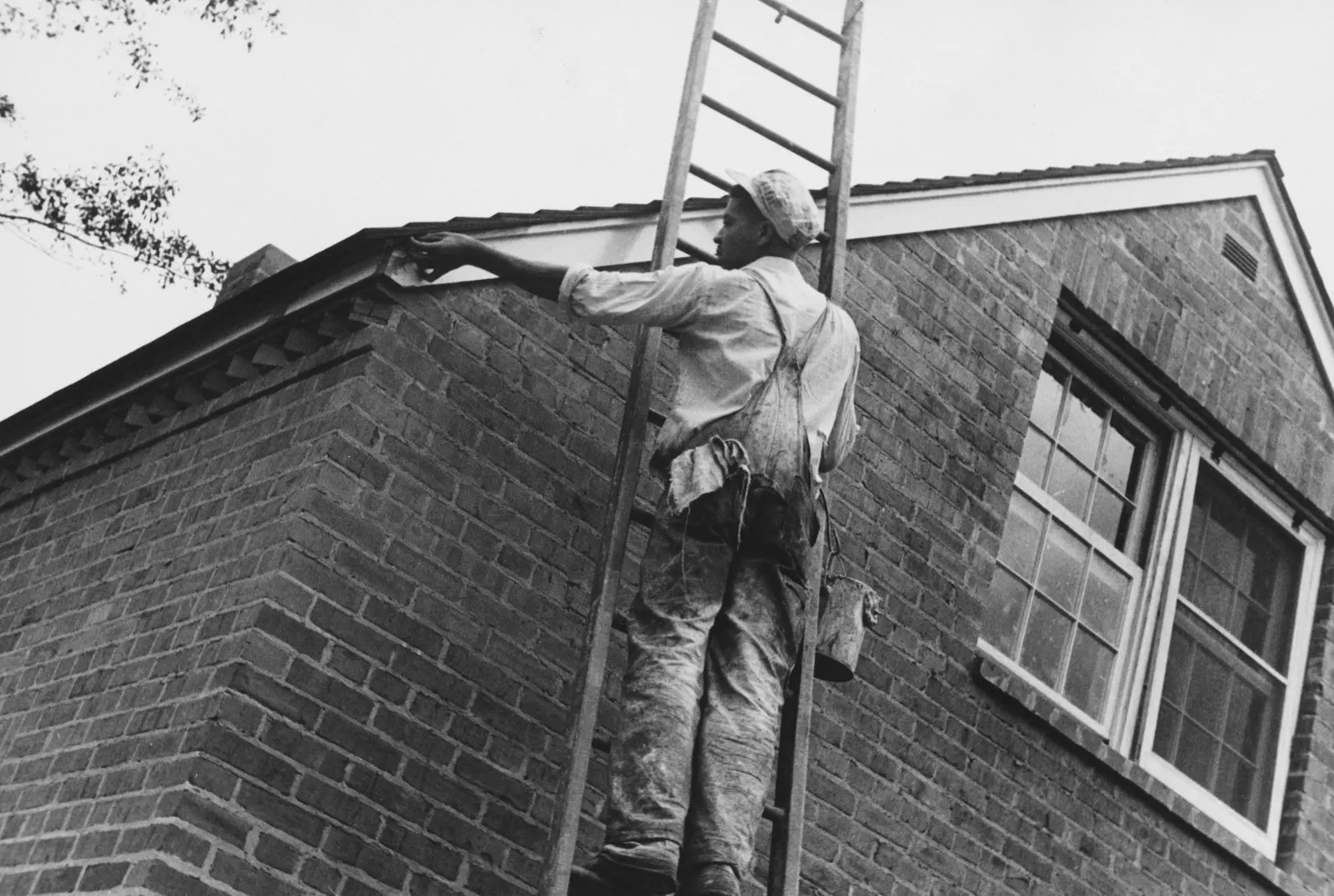
Outside, paint protects timber and render from the weather. Small areas of peeling or bare timber on fascias, window frames, doors and fences should be touched up before moisture gets in. Exterior paint touch-ups need dry weather and moderate temperatures. Extensive exterior painting is a job for a professional painter.
Lead paint caution
Homes built before 1970 may have lead-based paint on some surfaces. Sanding or scraping old paint can release lead dust, which is harmful, especially to children and pregnant women. If your home is older, have paint tested before major preparation work. We take care not to sand or disturb paint that may contain lead.
Environmentally conscious choices
Water-based and low-VOC paints reduce odours and are easier on indoor air quality. They’re our default for interior work unless a specific product is needed. Leftover paint should be stored properly for future touch-ups or disposed of through Paintback or council drop-off points rather than poured down drains.
Touch-ups before sale or lease
Fresh, clean walls make a home look cared for. Before photos for a sale or before new tenants move in, a round of touch-ups through hallways, living areas and bedrooms gives an instant lift. Scuffed skirting, chipped door edges and marked walls near light switches are the usual targets. See end of lease repairs.
Keeping a touch-up kit
After painting, keep a small labelled jar of each colour with its brand, name and sheen written on the lid. Store it somewhere that doesn’t get too hot or cold. When touch-ups are needed, you’ll have an exact match ready.
When to call a painter
We handle touch-ups, small walls, doors and trims. Whole-house repaints, high exterior walls, specialty finishes and extensive preparation are best done by a professional painter. We’ll tell you if your job falls into that category.
Ceilings and water stains
Brown rings on ceilings usually mean water has come through at some stage, from a roof leak, a blocked gutter overflow or a plumbing leak upstairs. Fix the cause first, let the ceiling dry fully, then seal the stain with a stain-blocking primer before painting. Plain ceiling paint alone lets the stain bleed back through. If the plaster is soft, sagging or crumbling, it needs repair or replacement before painting.
Frequently asked questions
Can you just touch up a few marks?
We can, but spot touch-ups often show. For the best result we usually suggest painting the full wall from corner to corner.
Do you supply the paint?
We can use your leftover paint or supply paint matched to your colour and sheen.
Do you paint whole houses?
We focus on small rooms, touch-ups and repairs. For full interior or exterior repaints we may suggest a painting contractor.
Can you paint over oil-based enamel with water-based paint?
Yes, with the right preparation and primer. Without it the new coat can peel.
Do you move furniture?
We move light furniture away from walls and cover it. Please clear fragile items and valuables before we arrive.
Why does my touch-up look patchy?
Differences in sheen, fading, texture or flashing over filler. Priming and feathering help; sometimes painting the whole wall is best.
Can you paint over oil-based gloss?
Yes, with the right preparation and primer.
Is old paint dangerous?
Homes built before 1970 may have lead paint. Get it tested before sanding or scraping.
Get a free quote
Send us your list of jobs, your suburb and a few photos. We will reply with a clear written scope and a free, no-obligation quote.
Get a free quote