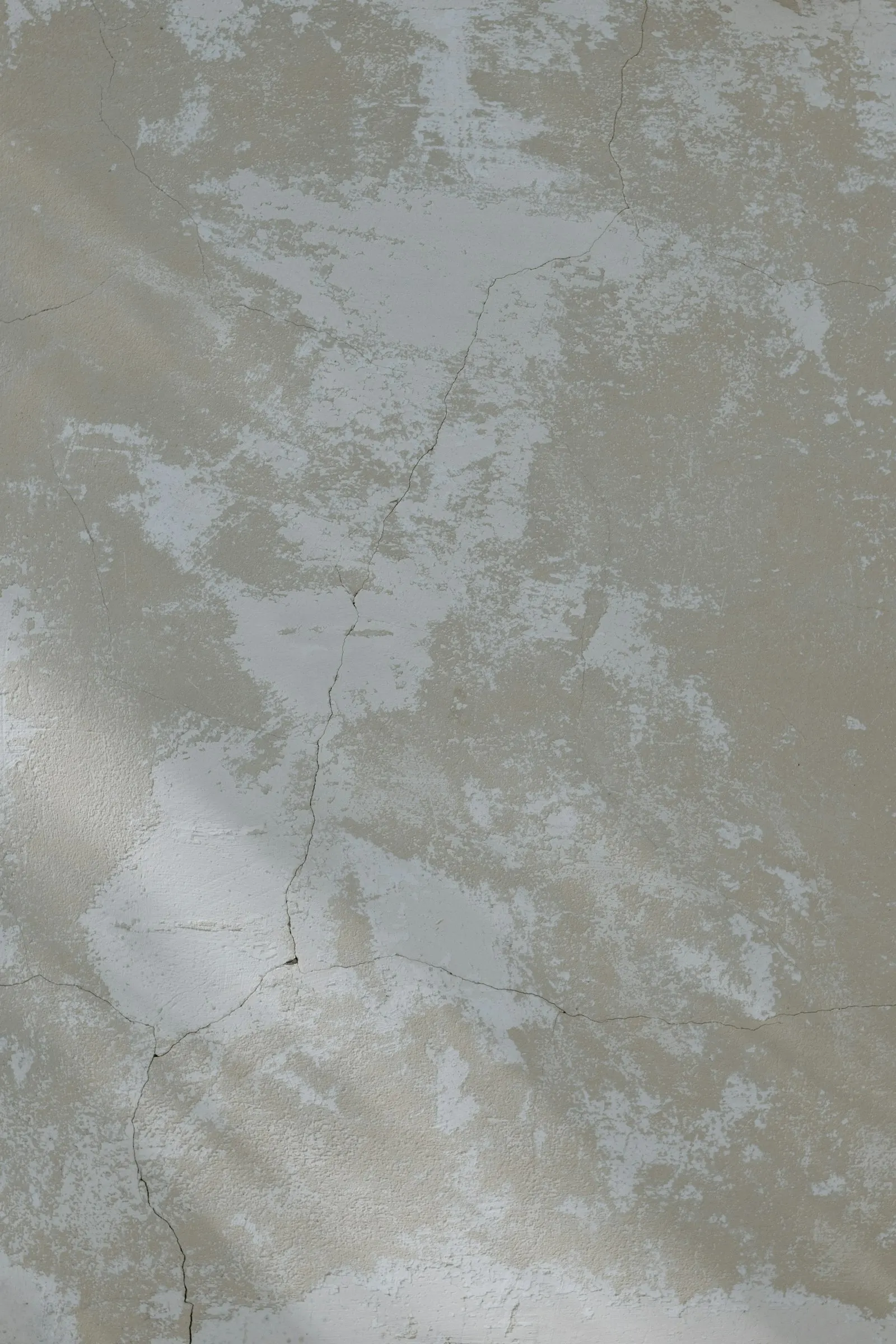
Much of Pakenham, Officer and the surrounding district is built on reactive clay. Clay swells when it gets wet and shrinks as it dries, so footings and slabs move a little with the seasons. Most homes cope, but the movement often shows as cracks. This guide is general information; if you’re worried, have a builder or structural engineer inspect.
Where cracks usually appear
- Diagonally from the corners of doors and windows
- Along cornices where walls meet ceilings
- At plasterboard joints
- In grout lines and tiles
- Between skirting and floor
Usually cosmetic
- Hairline cracks under about 1 mm
- Cracks that open and close a little with the seasons
- Cornice gaps in new homes during the first couple of years
These can be patched with flexible fillers and tape, then painted.
Get advice
- Cracks wider than a few millimetres, or growing quickly
- Cracks wider at one end than the other
- Stepped cracks in external brickwork
- Doors and windows that suddenly jam
- Floors that slope or sag noticeably
- Cracks in new homes still under builder’s warranty
In these cases, contact your builder or a structural engineer before patching, and keep photos with dates.
Reducing movement
- Keep garden watering even through the year
- Make sure downpipes discharge into drains, not against the slab
- Fix leaking taps and pipes promptly (a plumber’s job)
- Avoid planting large trees close to the house
- Don’t let water pond against footings
Tracking a crack
Mark the ends of a crack with a pencil and date, and measure the width. Check every month or two. A crack that’s stable or seasonal is usually cosmetic; a growing one needs a professional.
How we can help
We patch cosmetic cracks, re-fix popped screws, adjust sticking doors and replace cracked grout and silicone. See plaster and wall patching and door repairs, or get a free quote.
Get a free quote
Send us your list of jobs, your suburb and a few photos. We will reply with a clear written scope and a free, no-obligation quote.
Get a free quote