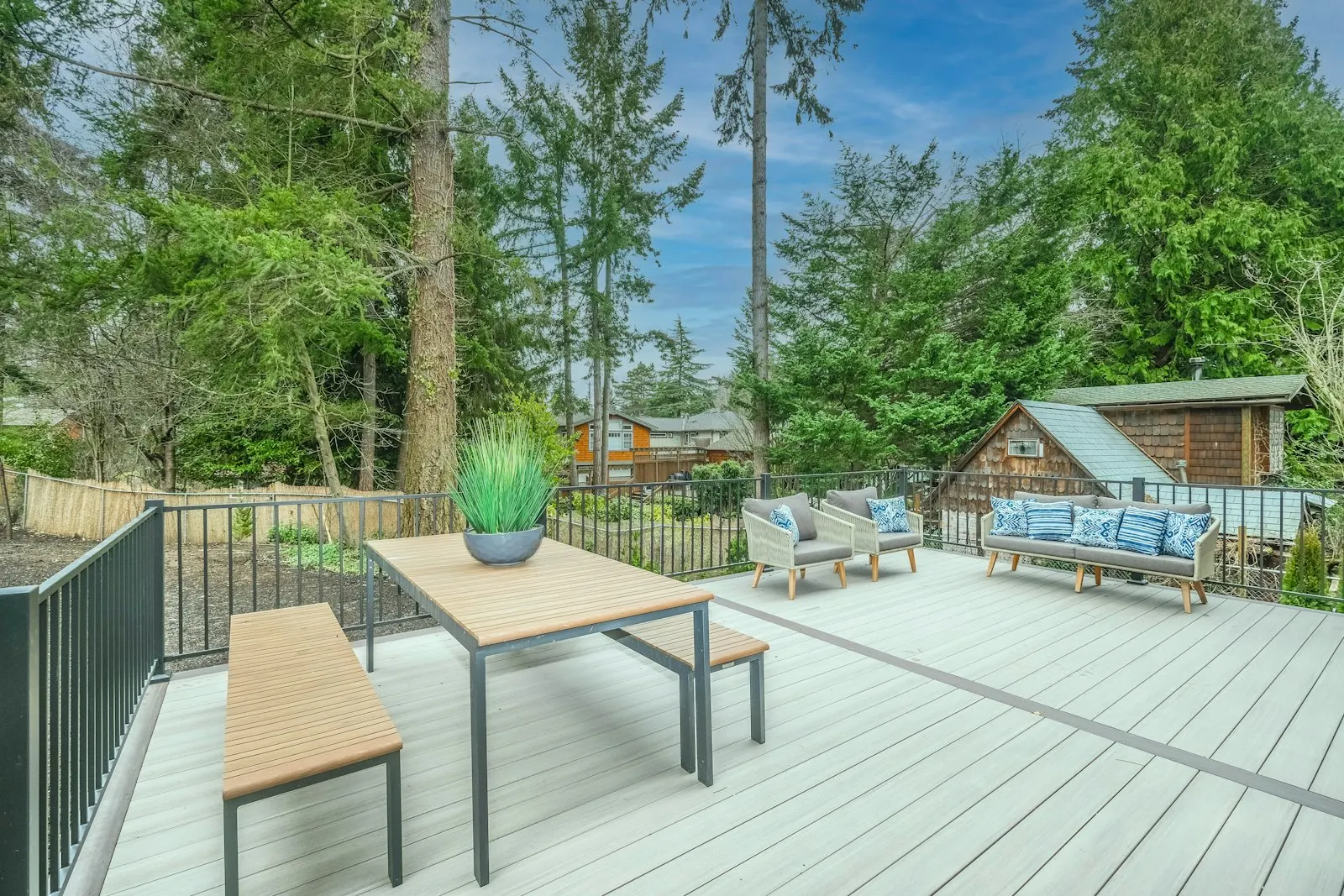
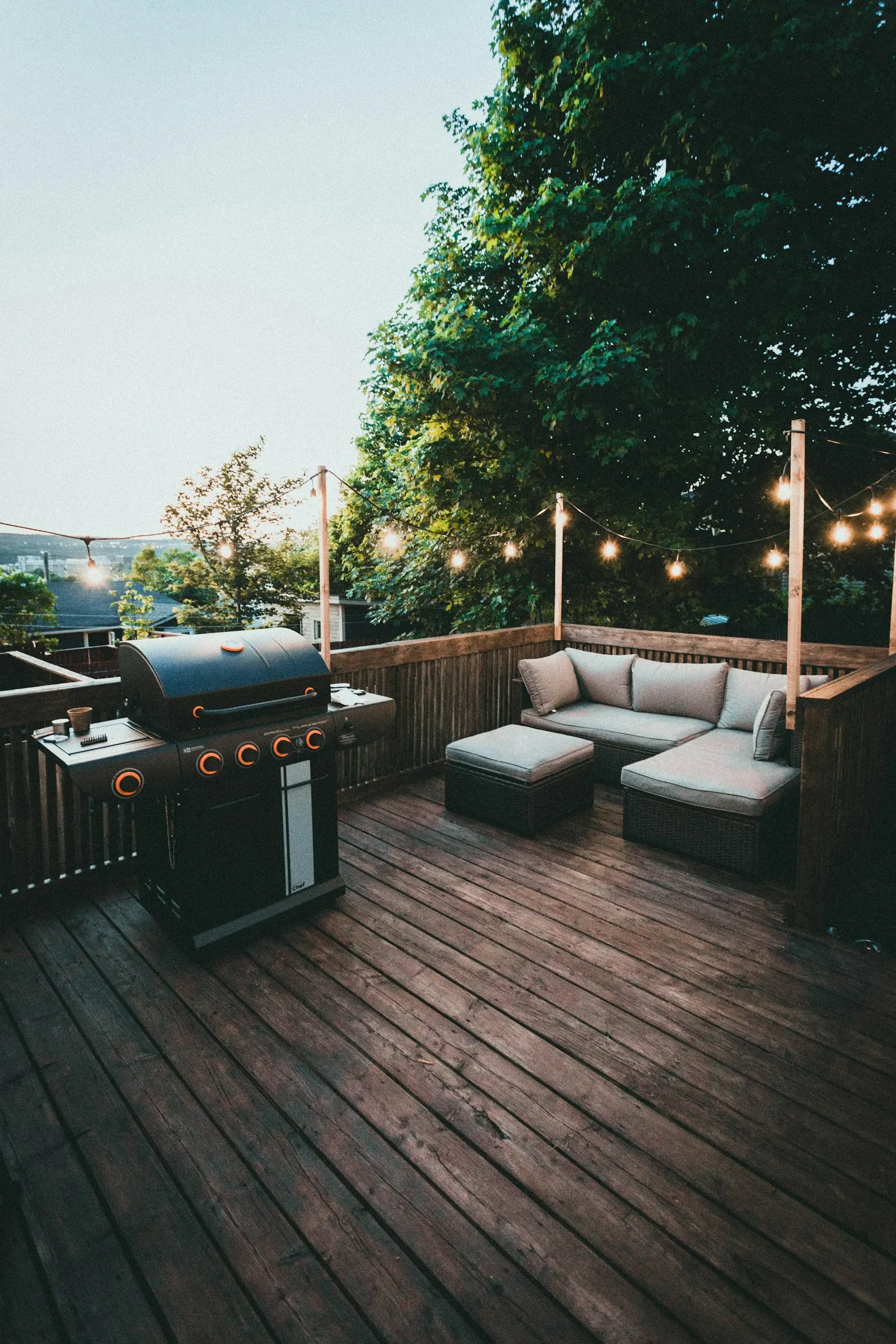
A good deck turns a backyard into an outdoor room. It is where families eat dinner on warm evenings, where the barbecue lives and where kids play when the lawn is wet. Decks are also exposed to rain, sun, frost and constant foot traffic, and timber decks in particular need regular care to stay safe. Across Pakenham, Officer, Beaconsfield and the hills to the north, we repair and maintain decks, steps, balustrades and pergolas so they remain sound and good to look at.
Signs your deck needs attention
- Boards that feel springy, cracked or soft underfoot
- Nails or screws lifting and catching on feet
- Boards that have cupped, warped or split
- Grey, dry timber that splinters easily
- Wobbly balustrades or handrails
- Loose or uneven steps
- Mould and slime on shaded sections
- Posts with rot at the base or where they meet the ground
- Gaps between the deck and the house where the ledger may be moving
Deck board repairs
Boards are the part of a deck you see and walk on, and they wear out first. We can:
- Replace individual cracked, rotted or broken boards
- Re-fix lifting boards using screws instead of nails
- Punch nail heads and secure loose fixings
- Replace sections of boards in high-traffic areas such as near doors and steps
- Match new boards to existing timber as closely as practical, noting that new timber looks different until it weathers
If many boards are failing at once, it can be more practical to re-deck the whole area over the existing frame, provided the frame is sound.
Frame and structural checks
The frame below a deck carries the load, but it’s out of sight. When we repair a deck, we look underneath where access allows, checking:
- Bearers and joists for rot, splits and insect damage
- Stumps and posts for soundness, especially at ground level
- The ledger board where the deck meets the house
- Fixings, brackets and bolts for rust or looseness
- Ground clearance and drainage under the deck
Where joists or bearers have small areas of decay, we can sometimes sister new timber alongside them. If the structure has significant problems, or the deck is elevated, we’ll recommend having it assessed by a builder or engineer. Elevated decks in particular can be a serious safety risk if they fail.
Steps and stairs
Deck steps take more weight per square centimetre than almost anywhere else in a backyard. Loose treads, rotted stringers and uneven rises are trip hazards. We can replace treads, repair or replace stringers, re-level steps and add handrails where they are needed.
Balustrades and handrails
Balustrades stop people falling off a deck, so they must be solid. We tighten and re-fix loose posts and rails, replace broken balusters and repair handrails. For decks over a certain height, the balustrade has to meet building requirements, and we will tell you if what’s there does not look adequate.
Pergolas and verandahs
Pergolas and covered outdoor areas are a feature of many homes across the region, from older houses with timber verandahs in Pakenham and Garfield to newer homes with attached alfresco roofs in Officer. Common pergola jobs include:
- Replacing rotted posts or fitting galvanised post stirrups
- Repairing or replacing beams and rafters
- Tightening bolts and brackets
- Replacing damaged shade cloth, lattice or battens
- Repairing gutters on attached pergola roofs
- Fixing loose or noisy roof sheets on small structures
New pergolas and roofed structures often need a building permit, so we focus on repairs and like-for-like replacement of components.
Cleaning, sanding and oiling
Timber decks need a protective coat to keep out water and UV. Without one, the surface turns grey, dries out and cracks. We can:
- Clean the deck to remove dirt, mould and old oil
- Lightly sand rough or furry boards
- Apply a deck oil or stain to protect and refresh the timber
In the shady hills around Pakenham Upper and Beaconsfield Upper, mould and moss build up quickly, so cleaning is often the first job. On sunny decks facing north or west, regular oiling is what keeps boards from splitting.
Composite and hardwood decks
Composite decking doesn’t need oiling, but it can still develop loose boards, faded areas, broken clips and staining. Hardwood decks such as merbau, spotted gum and blackbutt are durable but can bleed tannins and move with the seasons. We work with the common decking materials and use fixings suited to each.
Why decks deteriorate faster in some spots
- Low ground clearance. Decks built close to the ground can’t dry out underneath, which encourages rot.
- Poor drainage. Water pooling under or against the deck speeds up decay.
- Shade. Shaded decks stay damp longer and grow mould and moss.
- No coating. Bare timber weathers quickly.
- Garden beds against the frame. Soil and mulch piled against posts and bearers keep them wet.
When we fix a deck, we’ll point out any of these issues so you can deal with the cause.
Deck repairs for rentals and sales
A tired deck can drag down a rental inspection or the first impression of a property for sale. Loose boards and wobbly balustrades are also safety items that should be fixed promptly. We can repair, clean and oil decks to get a property ready, and provide photos for property managers.
Deck repairs across our service area
We repair decks and pergolas across Pakenham, Pakenham Upper, Officer, Beaconsfield, Beaconsfield Upper, Garfield and Bunyip. Deck work fits well with pressure washing and general carpentry. Request a free quote with a few photos of the deck.
Decking timbers and what to expect
Merbau is a dense tropical hardwood, common on decks built from the 1990s onward. It’s durable but bleeds red-brown tannins when new, which can stain nearby paving.
Spotted gum and other Australian hardwoods are popular for their strength and bushfire performance; some species are approved for higher Bushfire Attack Levels.
Treated pine is common on older and budget decks. It’s softer, more prone to splitting and cupping, and needs regular oiling.
Composite decking is made from wood fibre and plastic. It doesn’t need oiling but can fade and stain, and boards can expand in heat.
Each material needs a slightly different repair approach, fixings and finish.
Common deck problems
- Popped nails. Nails lift as timber moves. We punch them back or replace them with screws.
- Loose or rocking boards. Fixings have failed or the joist below has rotted.
- Cupped or split boards. Usually from moisture differences between top and bottom. Badly cupped boards may need replacing.
- Rotten joists and bearers. Especially where timber sits close to the ground, near downpipes or in poorly ventilated areas.
- Wobbly stairs and handrails. A serious safety issue that needs prompt attention.
- Grey, weathered timber. Cosmetic, but a sign the timber needs cleaning and oiling.
Checking the structure
Before replacing surface boards, we check what’s underneath:
1. Probe joists and bearers with a screwdriver to test for soft timber.
2. Check posts at ground level, where rot is most common.
3. Look at connections between the deck and house, including the ledger board.
4. Check for termite damage.
5. Check stairs and balustrades for movement.
If the structure is compromised, we’ll recommend repair or replacement and, where needed, a builder. Decks over a certain height and attached balconies are structural, and failures can be dangerous.
Balustrade safety
In Victoria, decks more than 1 metre above the ground generally need balustrades of a minimum height, with gaps small enough to prevent children slipping through and designs that discourage climbing. Older decks may not meet current requirements. We repair existing balustrades and can advise when a replacement is needed. New or significantly altered balustrades may require a builder.
Pergolas
Pergolas range from simple timber frames to roofed structures with polycarbonate or Colorbond sheeting. Common repairs include:
- Replacing rotten rafters, beams or posts
- Re-fixing loose roofing sheets and flashings
- Replacing cracked polycarbonate sheets
- Re-securing post stirrups and anchors
- Cleaning and oiling or painting timber
Wind uplift on roofed pergolas is a real concern on exposed blocks in Pakenham South, Officer South and the open land toward Bunyip. Proper tie-downs are essential.
Oiling and maintenance
Decks should be cleaned and re-oiled regularly, often every 12 to 18 months depending on sun exposure. The process:
1. Repair loose or damaged boards.
2. Clean the deck to remove dirt, mould and grey weathered fibres.
3. Let it dry completely.
4. Apply deck oil or stain with a brush or applicator, working along the boards.
5. Allow drying time before furniture goes back.
Oiling in hot, direct sun can cause the oil to dry too fast and look patchy, so mornings or overcast days are best.
Bushfire areas
In bushfire-prone areas such as Beaconsfield Upper and Pakenham Upper, decks attached to homes can be a path for fire. Keeping the area under decks clear of debris and stored items, using appropriate timber species and enclosing the subfloor with non-combustible materials can reduce risk. Check your BAL rating and AS 3959 for specifics.
Requesting a quote
Send photos of the whole deck or pergola plus close-ups of damaged areas, the approximate size, the timber type if known and the height off the ground. We’ll tell you what’s repairable.
Frequently asked questions
Can you replace just a few deck boards?
Yes. We replace individual boards and sections. New boards will look brighter at first, and will weather in over time.
How do I know if my deck is safe?
Springy boards, wobbly rails, soft posts and rust on brackets are warning signs. We check what we can access and will recommend a builder or engineer if the structure needs a formal assessment.
Do you oil decks?
Yes. We clean, lightly sand where needed and apply a deck oil or stain to protect the timber.
Can you build a new deck?
We focus on repairs and small rebuilds. Larger new decks often need permits and are better handled by a builder.
Can you fix a pergola post that has rotted at the bottom?
Often. Depending on the damage we replace the post or cut back the rot and fit a galvanised stirrup.
How often should I oil my deck?
Often every 12 to 18 months, depending on sun and wear. Grey timber or water soaking in are signs it’s due.
Can you replace rotten joists?
Yes, for small sections. Widespread structural damage may need a builder.
Is my deck balustrade safe?
Older balustrades may not meet current standards. We’ll check and advise.
Get a free quote
Send us your list of jobs, your suburb and a few photos. We will reply with a clear written scope and a free, no-obligation quote.
Get a free quote