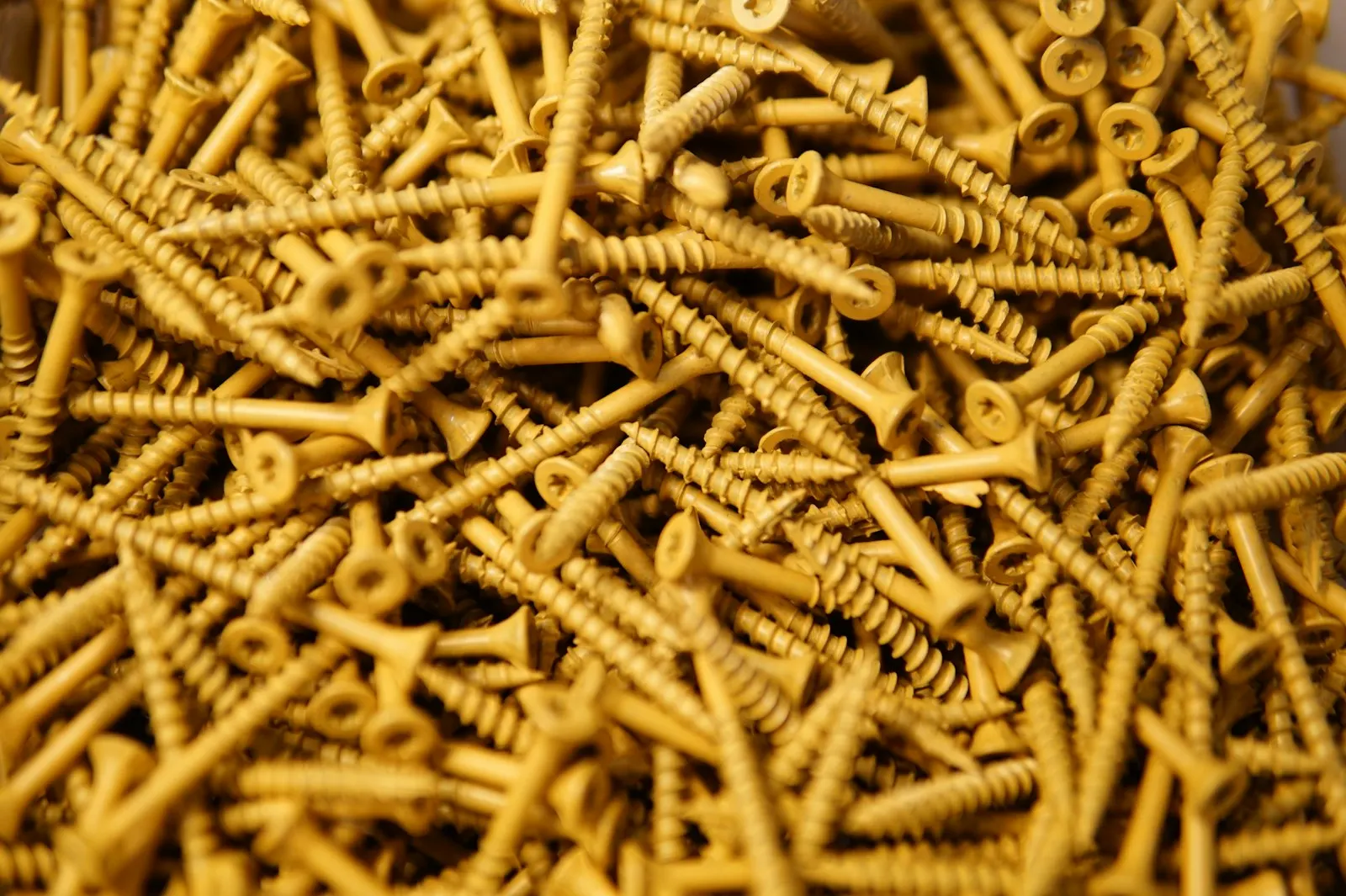
The wrong fixing is the main reason shelves sag, mirrors fall and TV brackets pull out. The right choice depends on what’s behind the surface and how much weight it carries. This guide is general information.
Find out what’s behind the wall
Most homes around Pakenham have plasterboard over timber or steel studs, usually 450 or 600 mm apart. A stud finder helps locate them. Always check for pipes and cables before drilling; a detector helps, but it isn’t foolproof, so avoid drilling directly above or below power points and switches.
Plasterboard only
For light items such as small frames, use plasterboard picture hooks or self-drilling plasterboard anchors. For medium loads, use spring toggles or hollow-wall anchors. Avoid heavy loads on plasterboard alone.
Timber studs
Screw directly into studs with suitably sized timber screws for heavy items such as TVs, shelves and mirrors.
Steel studs
Use self-drilling screws or toggle anchors designed for steel frames. Ordinary timber screws don’t hold well in thin steel.
Brick and block
Use masonry plugs, sleeve anchors or masonry screws, drilled with a masonry bit. Drill into the brick rather than the mortar joint for heavier loads.
Tile
Use a tile or diamond bit, start slowly without hammer action, and tape the surface to stop the bit wandering. Check for pipes first, especially in bathrooms.
Heavy items
For TVs, large mirrors and loaded shelves, fix into studs or masonry, use several fixings and follow the bracket maker’s instructions. When building, ask for timber noggings where heavy items will go.
Rentals
Tenants should get written approval before drilling.
How we can help
We hang art, mirrors, shelves and TVs with the right fixings for each wall. See picture and shelf hanging and TV wall mounting, or get a free quote.
Get a free quote
Send us your list of jobs, your suburb and a few photos. We will reply with a clear written scope and a free, no-obligation quote.
Get a free quote